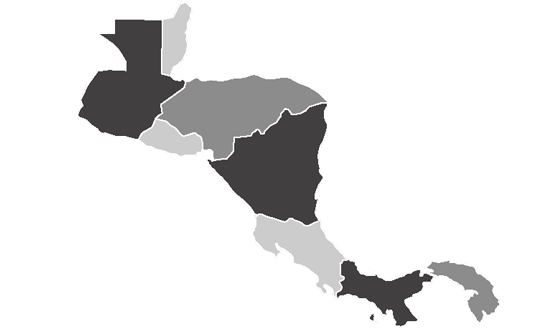



SAN FRANCISCO (CN) - Secretary of Homeland Security Kristi Noem's decision to terminate temporary protected status for more than 60,000 immigrants from Nicaragua, Honduras and Nepal was unlawful, a federal judge ruled Monday.
U.S. District Judge Trina L. Thompson found that Noem's termination of the three countries' protected status was "preordained" and did not follow the proper process, including consulting with other federal agencies or considering all country conditions.
The Joe Biden appointee further found that Noem "inexplicably departed from prior practice" by limiting the transition period for Nepali, Honduran and Nicaraguan TPS holders to 60 days, an unexplained change from 22 years of DHS practice of allowing at least six months' transition after a TPS termination notice.
"Unilateral power has never been American. Nor has this country ignored the importance of humanitarian relief," Thompson said in the opening of her 52-page order.
She continued: "By complying with the Constitution and enforcing the purpose of the temporary protected status statute, this nation's economy becomes strengthened and our society united."
The TPS program protects individuals from certain countries due to violence or economic duress. While those with TPS status can't be deported and can work legally in the U.S., they do not have a path to U.S. citizenship. The National TPS Alliance and individual TPS holders from Nicaragua, Honduras and Nepal sued after Noem ordered the termination of protected status for the three countries, claiming her actions violated the Administrative Procedure Act and were motivated by racial animus.
The order vacates Noem's terminations, restoring protections for thousands of TPS holders in the country.
"Consistent with virtually every District Court decision in the last year, the court found that the administration failed to follow the law as it pursued its vendetta against these immigrant communities," UCLA Center for Immigration Law and Policy Co-Director Ahilan Arulanantham said in a statement to Courthouse News.
National TPS Alliance coordinator Jose Palma said the decision "brings hope" to the TPS community but acknowledged that the government will most likely appeal the ruling.
"Today's victory, we have to celebrate it; it gives hope that respect for the law is still strong and the court will continue being strong on the side of the law," he said.
A representative for the Department of Justice did not respond to a request for comment.
In the order, Thompson said Noem's decision to terminate TPS to Nicaragua, Honduras and Nepal was arbitrary and capricious because her decision was "preordained and not based on an objective review of the country conditions, after consultation with the appropriate interagency department, as required by the TPS statute and the APA."
Thompson also found that Noem deviated from past practices by not considering all country conditions when she made her decision, writing that the government's decision to only consider conditions under the initial designation for TPS would go against the intent of the statute.
"Defendants' interpretation to only include the initial designation would grant the secretary unfettered discretion to terminate TPS for a country in the midst of destabilizing and destructive civil war so long as a historic flood for which an antecedent TPS designation was made (even just months earlier) had dissipated," the judge wrote, adding, "Such a perplexing result is a natural consequence of defendants' interpretation of the TPS statute; and this court need not 'read the statute to usher in such a bizarre and half-baked scheme.'"
Further, Thompson said there was "substantial evidence" that the termination decisions for Nicaragua, Honduras and Nepal were motivated by racial animus, referring to multiple public statements by Noem and President Donald Trump that referred to TPS holders as criminals.
"These statements reflect a stereotyping of the immigrants protected under the TPS program as criminal invaders and perpetuate the discriminatory belief that certain immigrant populations will replace the white population," the judge said.
On July 31, Thompson postponed the termination of the TPS program for Nicaragua, Honduras and Nepal until Nov. 18. However, a federal appeals court stayed that ruling, greenlighting the Trump administration to go ahead with its termination of TPS status for the three countries while litigation played out.
On Sept. 22, Thompson granted class certification, approving three separate classes that include individuals from the three countries.
Source: Courthouse News Service