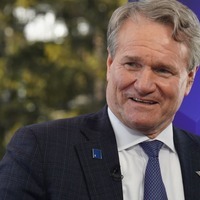


Energy expert Martin Vladimirov from the Center for the Study of Democracy has warned that fuel prices in Bulgaria have not yet reached their peak, adding that the country is gradually converging with average EU levels.
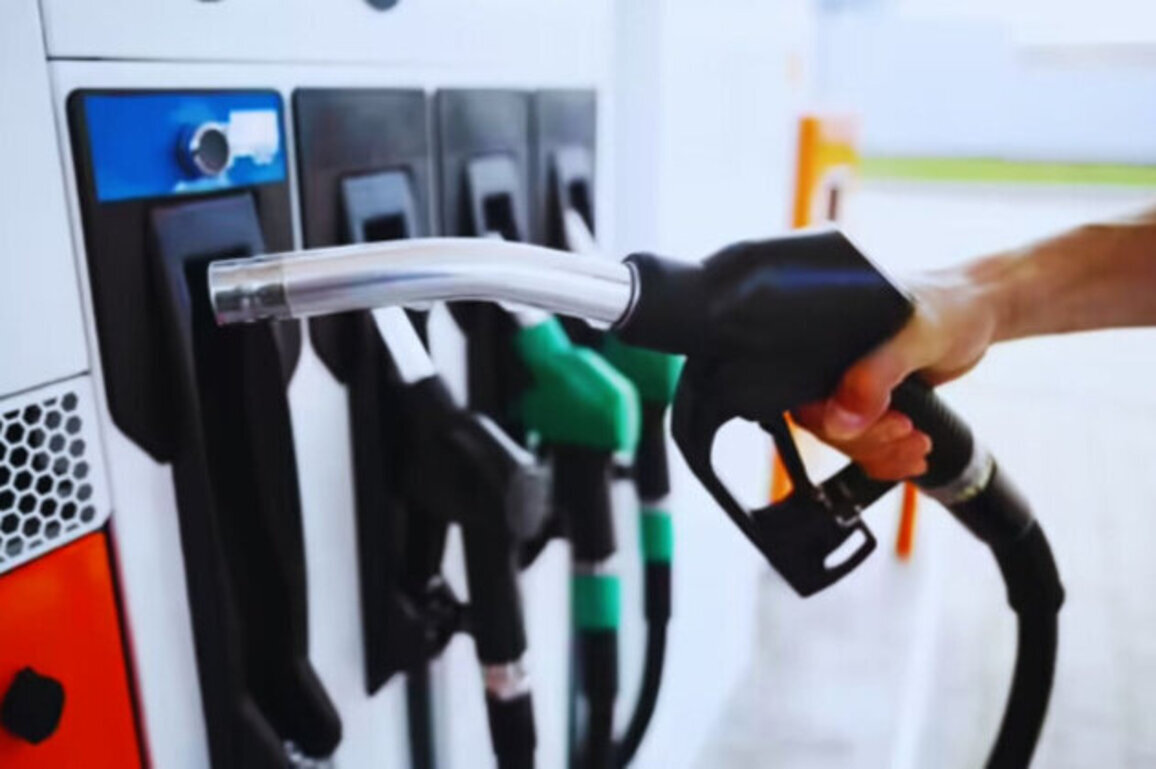
Speaking on BNT, Vladimirov said Bulgaria is still among the cheapest fuel markets in Europe, but this position is changing. ?We are heading towards 2 euros per liter of diesel,? he stated, stressing that further increases are likely as global markets remain unstable.
He argued that authorities should consider measures to reduce fuel consumption in order to prevent a broader inflationary shock across the economy. Among the options he mentioned was the introduction of free public transport as a way to ease pressure on households.
Economist Petar Ganev from the Institute for Market Economics noted that the current uncertainty is likely to persist. ?It seems that this will last for a long time. The fact that the market follows Trump's statements does not mean that there is complete calm,? he said, pointing to ongoing volatility in global energy pricing.
Ganev stressed that any policy response should be carefully designed, describing key conditions for intervention as timeliness, targeting and limited duration. He also warned that the institutional and fiscal environment could become more uncertain in the aftermath of elections, including the possibility of delays in adopting a state budget.
Vladimirov, meanwhile, argued that direct price caps on fuel would be counterproductive, warning that such measures could distort the market. He said the focus should instead be on protecting the most vulnerable households, while avoiding interference with VAT and excise duties.
He also pointed out that Bulgaria's exposure to fertilizer price shocks remains limited due to continued imports of Russian fertilizers. According to him, current market conditions suggest a new wave of price increases, with diesel expected to bear the strongest pressure, while gasoline would remain less affected.
Vladimirov added that even if geopolitical disruptions ease, such as potential changes in the Strait of Hormuz situation, the impact on consumer prices would be delayed. Ganev further cautioned that if oil prices rise significantly, the risk of economic slowdown or recession could increase, making early monitoring of key indicators essential.